Welcome to the world of two-wheeled communication! We will delve into the realm of motorcycle hand signals. Picture this: you’re cruising down the open road, the wind in your face, and the hum of your motorcycle beneath you. You’re not alone; other riders are alongside you, and communicating your intentions becomes paramount. Whether you’re making a turn, coming to a stop, or simply acknowledging a fellow rider, these hand signals play a vital role in ensuring everyone on the road stays safe and informed. So, fasten your helmet, rev up your curiosity, and let’s dive into the riders’ fascinating language.
Importance of Motorcyclist Signals
Most motorcycle hand signals are fairly intuitive, especially when combined with appropriate body language; however, new riders without proper training may be confused upon first seeing them. When proper signaling is crucial to safety, like during large group rides or track days, important biker hand signals should be communicated during a pre-ride meeting.
Biker Hand SIGNALS You Need to Know
Although motorcycle hand gestures are something that most riders learn as part of their motorcycle license exams, they are often forgotten and not used when needed. For example, if your signal lights are damaged, or if you’re riding in a large group, communication between riders via hand signals is just as critical for staying safe as gear like biker jackets and gloves. Read below to learn about or refresh yourself on the various hand signs bikers give each other on the road.
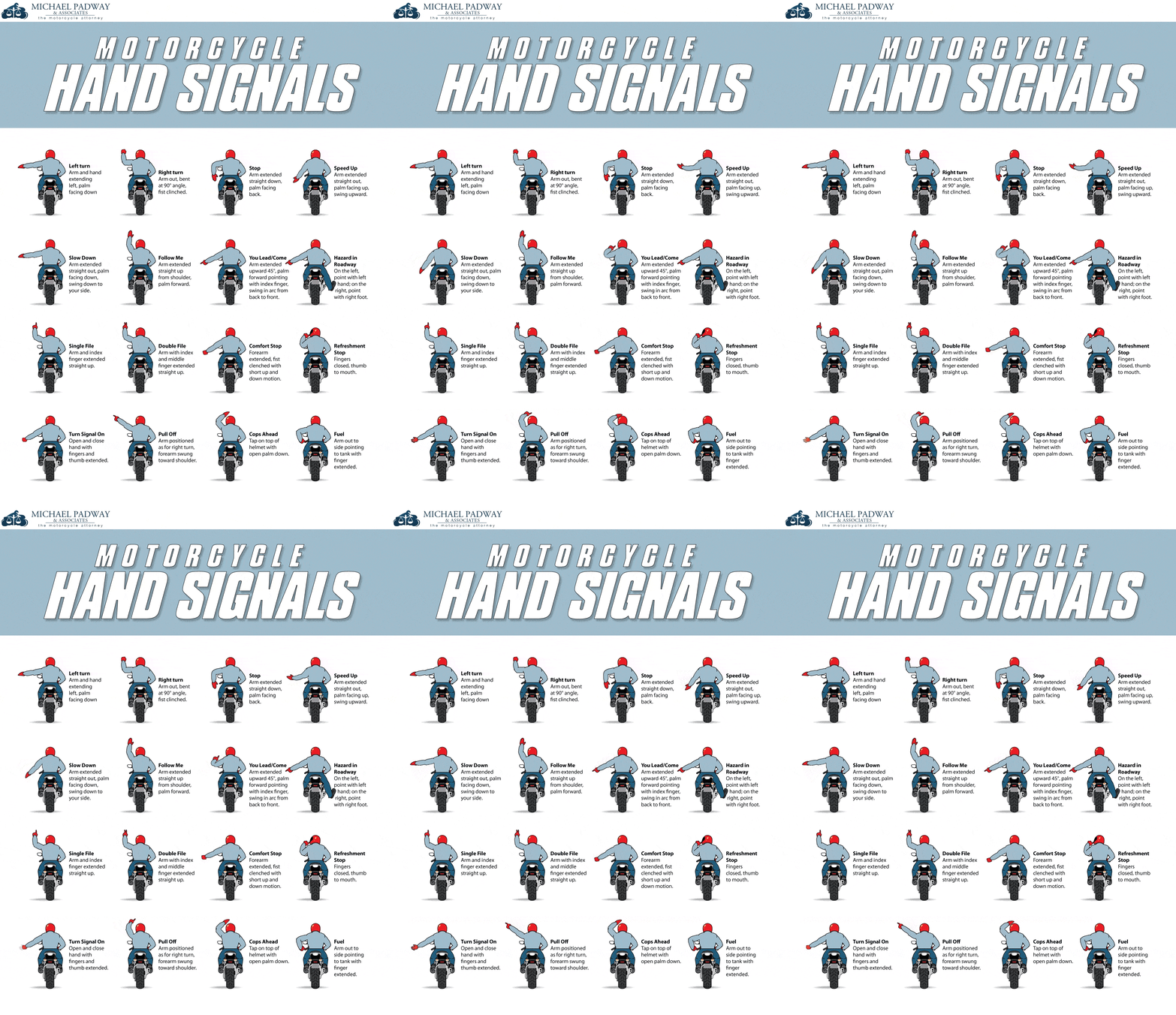
| Image | Signal | What it means | How to make it |
|---|---|---|---|
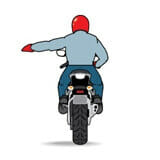
|
Left turn | Let the group know you are turning left. | Extend your left arm straight out, palm facing down. |
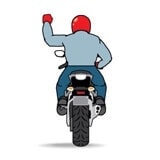
|
Right turn | Let the group know you are turning right. | Bend your left elbow 90 degrees and point your clenched fist upward. |
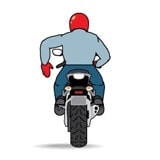
|
Stop | Signal the group to stop (should ripple back through the group). | Bend your arm 90 degrees, keep your palm open, and point your fingers down toward the road. |
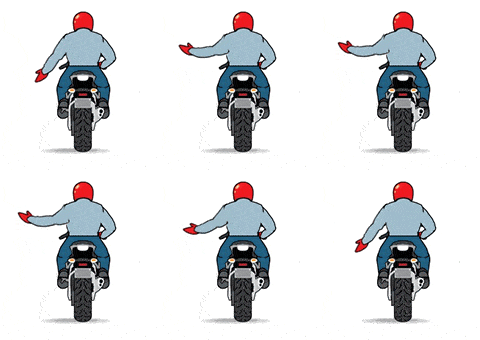
|
Speed up | Tell riders behind you to match pace by increasing speed. | Extend your arm and swing your palm upward. |
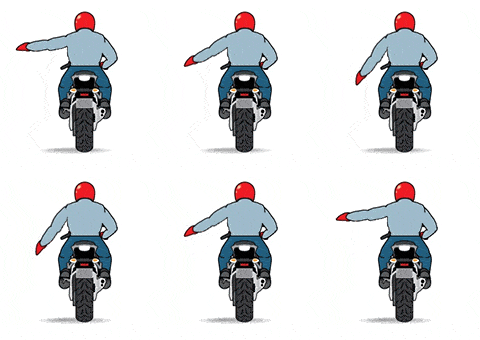
|
Slow down | Tell the group to slow down. | Extend your arm and swing your palm down toward the road. |
|
Follow me | Indicates a new leader or helps segment a large group. | Extend your arm forward at shoulder height with your palm facing outward. |
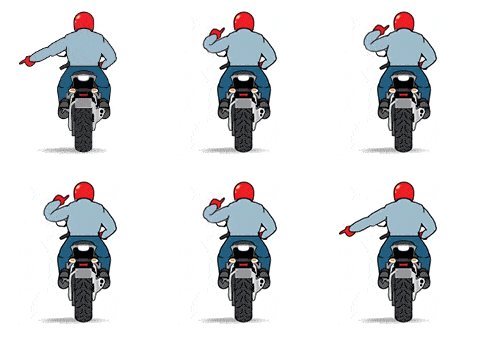
|
You lead / come | Direct a specific rider to lead or follow. | Point to the rider/bike, then swing your arm forward. Repeat until understood. |
|
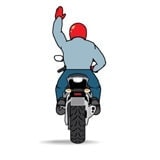
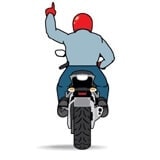
Single file | Signal riders to form a single-file line. | Extend your left index finger and raise your arm upward. |
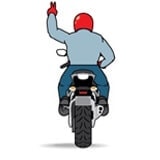
|
Double file | Signal riders to ride two abreast. | Bend your left arm and point upward with your index and middle fingers. |
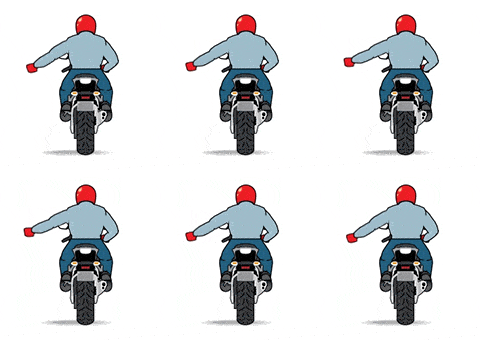
|
Comfort stop | Signal a bathroom/stretch stop (only when safe to pull over). | Extend your arm left and shake your fist with short up-and-down movements. |
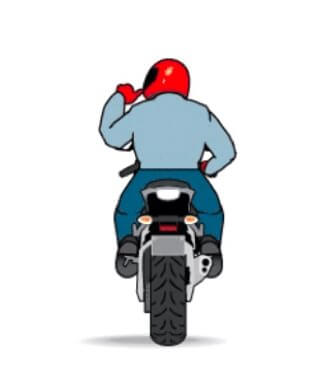
|
Refreshment stop | Signal a stop for gas or food. | Make a thumbs up and gesture your thumb toward your mouth/helmet like a straw. |
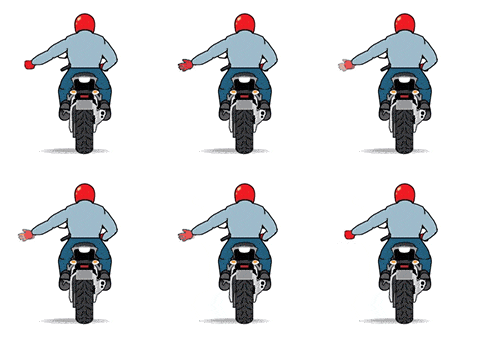
|
Turn signal on | Tell another rider their blinker is on. | Alternate between an open hand and a fist to mimic blinking. |
|
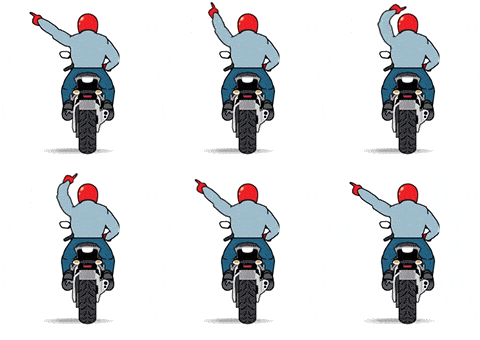
Pull off | Signal the group to exit or pull off (not for comfort/refreshment). | Use the pull off signal to indicate the next exit or immediate pull off is needed. |
|
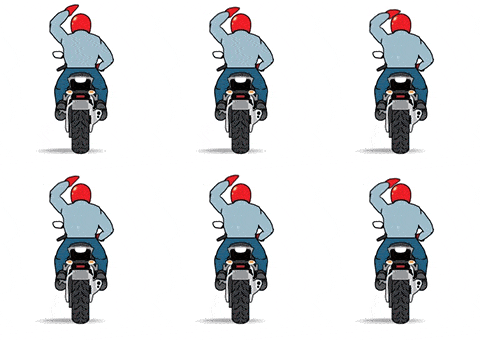
Police ahead | Warn riders of police activity ahead. | Pat the top of your helmet with your left palm. |
Left turn
For letting the group know you are turning left. The signal can be used to break from or to lead the group, depending on whether you are leading or following. Make the signal by extending your left arm straight out with your palm facing down.
Right turn
Let the group know you are turning right. Use this signal to lead to break from the group, depending on your status (leading or following). Bend your elbow 90 degrees, then point your clenched fist at the sky to complete the signal.
Stop
When the leader of the group makes the “stop” signal, it should cause a chain reaction going all the way back to the last rider in the group. Make the signal by bending your arm 90 degrees, keeping your palm open, and pointing your fingers down at the road.
Speed up
Inexperienced groups will benefit most from this signal. Experienced groups rely more on body language. Use it to tell the rest of the group to match your pace by increasing their speed. Extend your arm and swing your palm in an upward direction to give the signal.
Slow Down
This signal is useful because motorcycles generate intense engine-braking forces, which do not activate the rear-facing brake light. Extend your arm and swing your palm down toward the road to tell everyone in the group to slow down.
Follow Me
Used to announce a new, often self-appointed group leader. It is also used to segment a large group into smaller groups. Make the signal by extending your arm forward at the shoulder with your palm facing outward.
Have You Been Involved In A Motorcycle Accident?
Our professional legal team screens submissions and assigns cases to some of the best motorcycle lawyers in the US.
You Lead/Come
Also known as the “YOU! Follow me!” signal. It has 2 distinct parts. Start by pulling up alongside the rider you want to follow or lead. In one motion, point to their bike and then swing your arm forward. Repeat this motion until the other rider understands.
Single File
An easy gesture. Extend your left index finger and bend your arm up to the sky. In other words, pretend the riders behind you are asking “How many?” and then indicate the answer by gesturing with your left pointer finger.
Double File
Bend your left arm at the elbow and point to the sky with your index and middle fingers. Do not forget to include your index finger.
Comfort Stop
Poke your arm out to the left and shake your fist using short, up-and-down movements – as though shaking a can of paint. Make this stop only when the road or shoulder is debris-free and there is ample room to pull over.
Refreshment Stop
Indicate your intention to stop at a gas station or restaurant. Make a “thumbs up” with your left hand and gesture toward your mouth (or the front of your helmet) as though your thumb is a straw poking up out of a glass of water.
Turn on Signal
To make a “blinking” gesture using your left hand, alternate between extending your fingers and making a fist. Use this signal to let another rider know he left his blinker on, allowing him to save face during the next comfort or refreshment stop.
Pull off
Indicate to the rest of the group to pull off the highway immediately or at the next exit. The pull off signal is given when the reason for the stop is something other than a comfort or refreshment stop.
Police Ahead
Let your fellow riders know about police activity up the road by patting the top of your helmet with your left palm. Keep our communities’ police officers and other first responders safe. Use caution and respect all laws when riding your motorcycle. Remember to follow best practices in the event that you do get pulled over while on your motorcycle.
Download all signals
Most motorcycle hand signals are fairly intuitive, especially when combined with appropriate body language; however, new riders without proper training may be confused upon first seeing them. When proper signaling is crucial to safety, like during large group rides or track days, important biker hand signals should be communicated during a pre-ride meeting.
BIKER HAND SIGNALS FAQ
Pointing two fingers down is an easy way for bikers to say hi to one another. Motorcylists occasionally greet each other in other ways as well, for example, with a nod or a wave. Whatever you decide to do, it’s best to acknowledge fellow bikers on the road instead of ignoring each other.
Sometimes called the “biker wave,” riders can greet each other using a variety of hand signals. These include a nod, a traditional wave, a pointed finger, or even a palm-out a peace sign.
A thumbs up can mean that the upcoming road is clear; however, this signal does not have a universal meaning amongst motorcyclists.
Hand signals are like an extra safety net, ensuring everyone on the road understands what’s happening. Motorcycle hand signals come into play in situations like a blinker malfunction; they offer clarity in communication with fellow road-goers.
Well, it’s a bit like regional dialects in spoken language. Most places have their version of motorcycle hand signals, but they’re similar. Still, it’s a good idea to brush up on the local customs and road rules when riding in different parts of the world.
Car drivers might not be as familiar with these signals, so using them clearly and confidently is essential. It’s like teaching someone a new language – the more you use it, the more likely they will understand.
It’s like a secret handshake on the open road. It’s a way to say, “Hey, we’re all part of this awesome motorcycle community!” It’s about bonding and showing respect for fellow riders you pass on your journey.
Absolutely! Whether cruising, racing on a sportbike, or touring the country, these signals help riders connect and stay safe on the road.